

Made New
On grace, memory, and starting the day again

The house is still.
Morning light slips across the table where the Bible lays open – not for study yet, just opened, like a door left ajar.
This is the hour I always tell myself I’ll be honest.
Before the day explains me away.
Before productivity rushes in with its noise and expectations. Before I remember how to perform fine.
And inevitably, this is when it happens.
A memory drifts in – not dramatic, not loud. Just familiar. A decision I regret. A moment I wish I could edit. A sentence I replay as if repetition might change the ending.
I look out the window and think, Lord, I know You forgive me.
My eyes fall on the page, on words I’ve read so many times they feel almost dangerous to hope in:
“There is now no condemnation for those who are in Christ Jesus.”
(Romans 8:1)
The verse sounds absolute. Final. Settled. And still, my heart resists.
If there is no condemnation, I wonder, why do I keep sentencing myself?
I’ve confessed this before. I’ve prayed through it. I’ve even spoken clearly about grace to others.
Yet here I am again, quietly reopening a file God has already closed.
The strange thing is that the accusation doesn’t sound cruel.
It sounds reasonable. Responsible, even.
You should remember this.
You should feel the weight.
You shouldn’t move on too quickly.
But as the sky lightens even more outside the window, another truth presses in – steadier, gentler. I trace the page with my finger and read the familiar promise again, slower this time:
“If anyone is in Christ, the new creation has come. The old has gone. The new is here.”
(2 Corinthians 5:17)
Not eventually.
Not once I’ve punished myself enough.
But has come.
I sit longer than planned, letting the quiet do what it does best. Not fixing anything. Just making room.
I whisper – not boldly, not confidently – just honestly: “Jesus, I’m tired of punishing myself.”
There is no lightning. No sudden relief. Just a small loosening in my chest, like a grip easing its hold.
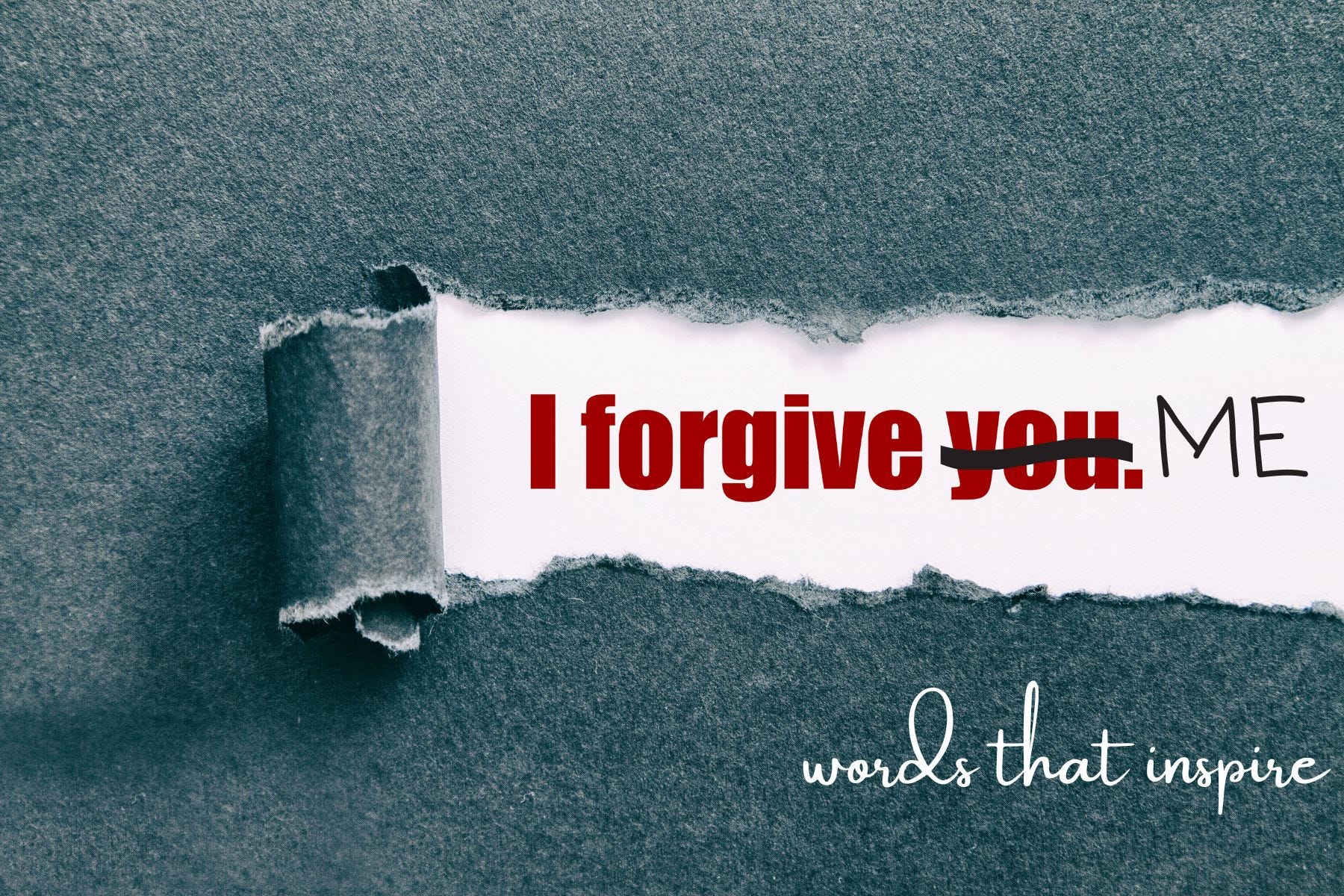
Maybe forgiving myself isn’t something I achieve in a moment.
Maybe it’s something I practice – returning, again and again, to God’s verdict instead of my own.
Choosing to believe that no condemnation means what it says.
That new creation isn’t poetic language – it’s a promise.
The house begins to wake. The memory doesn’t fully disappear – but it no longer gets to name the day.
I close the Bible, not finished, just trusting it will be there tomorrow.
And for now, that’s grace enough for a morning.